Hiring has changed dramatically over the last few years. In 2026, one of the biggest shifts isn’t where employers are finding talent, it’s how candidates are applying. Artificial intelligence has transformed the hiring process on both sides of the table. Businesses are using AI to screen resumes, automate scheduling, and improve onboarding. But job seekers are also using AI to write resumes, generate cover letters, answer screening questions, and even prepare for interviews. The result? Hiring may be faster, but it’s also becoming harder to know who you’re really hiring. For Florida employers, this creates a new challenge that many businesses are only beginning to understand.
The New Resume Problem
Not long ago, a resume reflected a candidate’s writing ability, experience, and effort. Today, AI can generate polished resumes in minutes. That sounds helpful until employers start seeing dozens of nearly identical applications, filled with the right keywords but lacking real substance.
According to recent workforce trend reports, small businesses are increasingly finding it difficult to identify qualified candidates because AI-assisted resumes often make candidates appear more experienced or technically skilled than they really are.
This doesn’t mean AI is bad. It means employers need better hiring systems.
The New Resume Problem
Candidates now use AI to prepare for interviews, predict questions, and build ideal answers. Some even use real-time assistance during virtual interviews.
That means employers must get better at identifying:
Authentic communication
Real-world experience
Problem-solving ability
Emotional intelligence
Adaptability under pressure
A polished answer doesn’t always equal real capability.
Florida’s Competitive Hiring Market Adds Pressure
Florida remains one of the fastest-growing business states in the country, particularly in healthcare, hospitality, logistics, construction, and skilled trades. The challenge? Good candidates move fast.
Business owners often feel pressure to hire quickly, especially when operations are short-staffed. But rushed hiring decisions can lead to:
Increased turnover
Training costs
Payroll waste
Team disruption
Compliance issues
A bad hire is expensive and often avoidable.
Hiring Smarter in the AI Era
The answer isn’t rejecting technology. It’s using it strategically.
Smart employers are adjusting by:
Improving interview structure
Asking behavioral questions and scenario-based questions reveals how someone actually thinks.
Verifying practical skills
Simple job simulations or real-world examples help expose actual experience.
Checking references thoroughly
Reference checks matter more than ever.
Strengthening onboarding
Early onboarding often reveals whether a candidate is truly the right fit.
The Human Side Still Wins
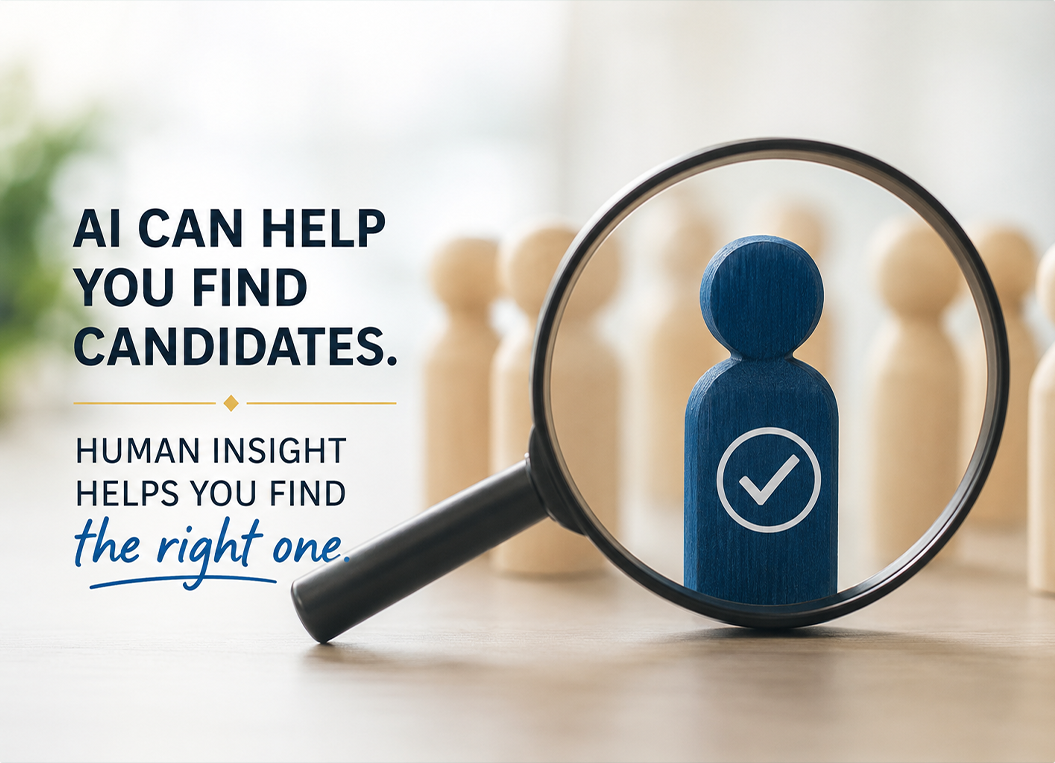
AI can organize information. It can save time. It can improve efficiency.
But it cannot replace human judgment.
Hiring is still about people their attitude, reliability, work ethic, and ability to work within a team. These qualities cannot be fully measured by software.
For employers, especially small and mid-sized businesses, balancing technology with human insight is becoming one of the most important workforce strategies of 2026.
Why HR Support Matters More Than Ever
As hiring becomes more complex, many employers are re-evaluating how they handle recruiting, onboarding, employee documentation, and compliance.
Hiring the right employee is no longer just about filling a role; it’s about protecting your business, strengthening your team, and building long-term stability.
In today’s market, having strong HR systems in place can make all the difference.
The Future of Hiring Is Here
AI isn’t going away. It will continue to shape how businesses recruit and how candidates present themselves
The question for employers isn’t whether to adapt.
It’s how to adapt wisely.
Florida businesses that combine technology with smart hiring practices, strong HR systems, and thoughtful workforce planning will be better positioned to grow with the right people in the right roles.
At W.H.R. Associates, supporting your business goes beyond payroll and HR; it’s about helping you build a stronger, smarter future.
Running a business in Florida has many advantages a growing population, a strong economy, and a business-friendly environment. However, many business owners are surprised to learn that employment compliance, payroll regulations, and HR requirements are becoming more complex every year. In 2026, staying compliant is not just about paying employees on time. There are new expectations, new risks, and more documentation requirements than ever before.
For small and mid-sized businesses, understanding these changes is critical.
Employee vs. Independent Contractor Is Still a Major Issue
One of the biggest compliance issues in Florida remains worker classification. Many businesses use independent contractors, but the rules about who qualifies as a contractor versus an employee are strict. Misclassifying a worker can lead to penalties, back taxes, and liability for unpaid benefits and overtime.
Business owners should regularly review:
Who is being paid as a 1099 contractor
Who is working set hours or under company direction
Who is using the company equipment
Who should legally be classified as a W-2 employee
This is one of the most common areas where businesses run into trouble during audits.
Payroll Compliance Is More Than Just Writing Checks
Payroll today includes much more than calculating hours and issuing paychecks. Employers must properly manage:
Payroll taxes
Overtime calculations
Employee classifications
New hire reporting
Year-end tax forms
Direct deposit documentation
Paid leave policies and tracking
Mistakes in payroll reporting can result in IRS penalties and state fines. Many business owners do not realize that payroll errors are one of the most common reasons businesses receive government notices
Workers’ Compensation Requirements in Florida
Florida has specific workers’ compensation requirements depending on the industry and the number of employees. For example:
Construction companies must carry workers’ comp if they have 1 or more employees
Non-construction businesses must carry workers’ comp if they have 4 or more employees
Not having proper coverage can result in large fines and stop-work orders, which can shut a business down until coverage is in place.
Employee Handbooks and Documentation Matter More Than Ever
Many small businesses still operate without a formal employee handbook. In today’s environment, this can be a mistake. Written policies help protect businesses and set clear expectations for employees.
Important policies include:
Attendance and time off
Workplace conduct
Harassment and discrimination policies
Safety procedures
Social media policies
Remote work policies
Disciplinary procedures
Having proper documentation in place can prevent major issues later.
The Real Cost of HR Mistakes
Most business owners are not trying to do anything wrong. The problem is that laws change, paperwork requirements increase, and compliance becomes more time-consuming. Unfortunately, mistakes can be expensive.
Common costly issues include:
Misclassified employees
Payroll tax errors
Incorrect overtime calculations
Missing employee documentation
Workers’ compensation mistakes
Improper terminations
These are the types of issues that can lead to audits, fines, or lawsuits.
Final Thoughts for Florida Business Owners
Florida is a great state to run a business, but employment regulations, payroll compliance, and HR responsibilities are becoming more complex each year. Many business owners reach a point where handling HR, payroll, benefits, and compliance internally becomes too time-consuming and risky.
That is why many Florida companies are turning to HR partners and PEOs to help manage these responsibilities, reduce risk, and focus on running and growing their businesses.
The key is making sure your business is set up correctly, compliant, and protected so you can focus on what you do best.
At W.H.R. Associates, we help Florida businesses navigate HR, payroll, and compliance challenges every day, providing the support and guidance business owners need in today’s complex employment environment.
Running a business in Florida has always come with opportunity, but in 2026, it also comes with more complexity than ever. From shifting labor laws and wage pressures to rising healthcare costs and employee expectations, many Florida employers are realizing that “doing HR in-house” isn’t as simple (or safe) as it used to be
That’s why Professional Employer Organizations (PEOs) are becoming a strategic advantage rather than just an administrative solution
Understanding Mental Health in the Workplace
Florida continues to see strong business growth, particularly in healthcare, construction, hospitality, logistics, professional services, and manufacturing. With that growth comes:
Increased competition for qualified employees
Greater scrutiny around wage and hour compliance
More complex benefits expectations
Higher risk exposure related to workers’ compensation and employee claims
At the same time, Florida employers must remain compliant with both federal and state-specific regulations, many of which have been updated or enforced more aggressively than in years past.
For small and mid-sized businesses, keeping up with these changes internally can quickly become overwhelming.
The Hidden Cost of “Doing It Yourself”
Many business owners believe managing payroll, HR, and compliance internally saves money. In reality, the opposite is often true.
Common pain points include:
Payroll errors that lead to penalties or unhappy employees
Misclassified employees or contractors
Inadequate HR documentation
Rising workers’ compensation premiums
Limited access to competitive employee benefits
One compliance mistake can cost far more than a year of outsourced HR support.
Why Florida Businesses Are Turning to PEOs
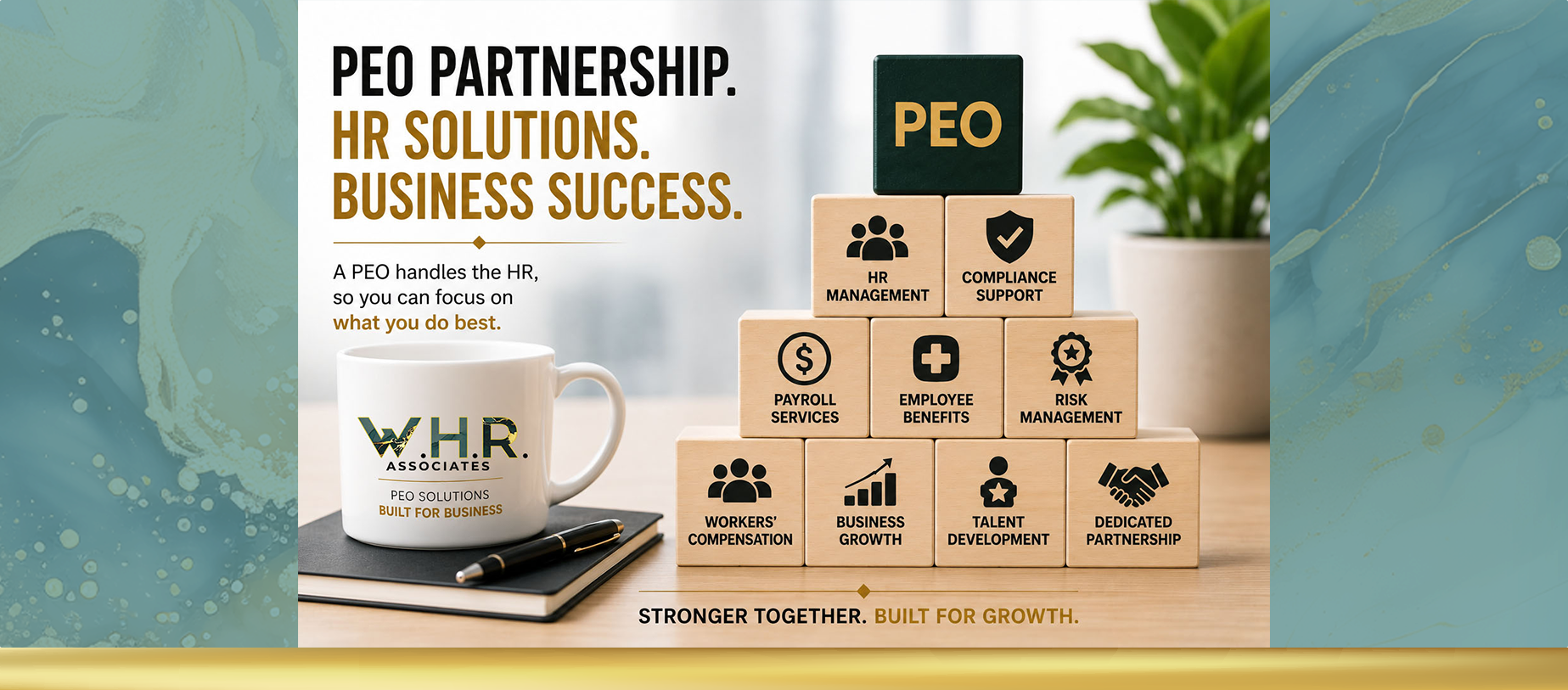
A PEO allows businesses to outsource key employer responsibilities while still maintaining control over day-to-day operations. In a co-employment relationship, the PEO helps manage:
Payroll processing and tax filings
HR administration and employee onboarding
Workers’ compensation coverage and claims management
Access to better benefits options
Compliance support and risk mitigation
For Florida employers, this support is especially valuable in industries with higher turnover, seasonal staffing, or regulatory oversight
Workers’ Compensation: A Major Florida Concern
Florida consistently ranks among the more complex states for workers’ compensation. Rates can vary significantly by industry, claims history, and classification codes.
Through a PEO, many businesses gain access to:
More stable workers’ compensation programs
Improved claims management
Better safety and risk mitigation resources
Over time, this can lead to lower costs and fewer disruptions, especially for businesses operating in construction, hospitality, or healthcare.
Employee Benefits Matter More Than Ever
In today’s labor market, employees expect more than just a paycheck. Health insurance, retirement options, and supplemental benefits play a major role in hiring and retention.
Individually, small businesses often struggle to afford or even access competitive plans. A PEO can level the playing field by offering access to large-group benefit plans, helping employers attract and retain quality talent without bearing the full administrative burden.
Compliance Is No Longer Optional
Employment laws don’t just affect large corporations. Florida employers must comply with:
Federal wage and hour laws
Employment eligibility requirements
Anti-discrimination regulations
Employee record-keeping standards
State-specific employment rules
A PEO provides ongoing compliance guidance, helping businesses adapt as regulations evolve, not after a problem arises, but before.
Freeing Owners to Focus on Growth
Perhaps the most overlooked benefit of a PEO is the time it saves.
When business owners aren’t buried in HR issues, payroll deadlines, or compliance concerns, they can focus on:
Growing revenue
Improving operations
Supporting employees
Planning for the future
That shift alone often makes the partnership worthwhile.
Is a PEO Right for Every Florida Business?
Not every company needs the same level of support. However, businesses that tend to benefit the most include:
Companies with 5–250 employees
Businesses experiencing growth or high turnover
Employers in regulated or high-risk industries
Owners who want peace of mind around compliance
The right PEO partnership isn’t about giving up control; it’s about gaining expertise.
A Smarter Way Forward for Florida Employers
Florida’s business environment remains full of opportunity, but success increasingly depends on smart infrastructure rather than just hard work. HR, payroll, compliance, and employee benefits are no longer back-office details; they’re strategic components of a healthy business.
Partnering with a knowledgeable PEO, like W.H.R. Associates, allows Florida employers to stay compliant, competitive, and focused on what they do best.
Growing a startup is exhilarating, but scaling your team often comes with unexpected challenges. Expanding your headcount means navigating a maze of payroll management, compliance issues, employee benefits, and HR policies—all while trying to focus on the goals that matter most to your business.
To make scaling smoother, more startups are partnering with Professional Employer Organizations (PEOs). These organizations offer shared employment relationships, easing the burden of HR while helping businesses remain competitive. But how exactly can a PEO help you effectively scale your team and take your startup to the next level? That’s what we’ll explore in this post.
What is a PEO?
Before we explore the benefits of using a PEO, it’s important to understand what they actually are. A Professional Employer Organization is a company that partners with your business to manage essential HR functions through a co-employment model. This means that the PEO takes on certain responsibilities (such as payroll and tax administration) while you maintain control over day-to-day operations and decision-making for your team.
PEOs are especially popular with small to mid-sized businesses that don’t have dedicated HR departments or lack the resources to scale efficiently. By joining forces with a PEO, your business can access enterprise-level support with less administrative overhead.
Why Startups Face Challenges When Scaling Teams
Startup growth is an exciting ride, but the reality of scaling a team can feel overwhelming. Common challenges include:
Compliance with Local and International Laws:Hiring in multiple jurisdictions means adhering to various labor laws, tax regulations, and workplace standards, which can differ significantly.
Employee Benefits and Retention:Startups typically can’t offer the same robust benefits as larger companies, making it harder to attract and keep talent.
HR Support:With lean teams, startups often lack the in-house expertise to handle HR complexities like compliance audits, employee disputes, and onboarding.
Time Management:Entrepreneurs and leadership teams want to focus their time on strategy and innovation. Administrative tasks like payroll and recruiting can become costly distractions. If these challenges sound familiar, then a PEO could be just the solution your startup needs.
Why a PEO is a Game-Changer for Startups
Startup growth is an exciting ride, but the reality of scaling a team can feel overwhelming. Common challenges include:
1. Access to Expert HR SupportOne of the most significant advantages of a PEO is gaining access to seasoned HR expertise. Instead of shouldering policies, contracts, and compliance on your own, your startup can rely on HR specialists who are already well-versed in local and international labor laws. For instance, if you’re onboarding employees in multiple states (or countries), a PEO ensures you’re compliant with regional tax laws, health and safety regulations, and overtime requirements. This helps you avoid hefty fines and mitigates potential legal risks.
2. Streamlined Payroll and Tax ManagementPayroll errors are a nightmare for businesses, especially those growing fast. PEOs centralize these processes, ensuring accurate payroll calculations, timely tax filing, and seamless management of deductions like health insurance contributions. Beyond saving time, a PEO also ensures that your payroll systems grow effortlessly alongside your team size. For example, they can support multi-state payrolls, handle contractors, and implement direct deposit for streamlined payments.
3. Access to Competitive Employee BenefitsOne of a startup’s biggest hurdles is offering benefits that attract top talent. It’s tough to compete with enterprise-grade packages without breaking the bank. A PEO can bundle your team into their larger pool of employees, granting you access to high-quality benefits at largely reduced costs. These could include:
Health insurance plans
Dental and vision coverage
Retirement plans (like a 401(k))
Life insurance
Wellness programs
With a competitive benefits package in place, your startup is better equipped to retain employees and improve workplace morale.
4. Improved Compliance Labor laws can quickly become overwhelming, especially when they shift frequently. Whether it’s managing worker classification for contractors versus full-time hires or adhering to the Affordable Care Act’s requirements, even small compliance mistakes can escalate into costly legal battles. PEOs provide the peace of mind that comes with knowing compliance experts are reviewing contracts, payroll, and employment policies to bring them up to legal standards.
5. Enhanced Focus on Core Business Functions By handing repetitive, time-consuming tasks to a PEO, your internal teams gain back valuable time. They can then focus on key objectives, like scaling products, improving customer satisfaction, and driving revenue. For example, in a Deloitte survey of businesses using PEOs, 83% of respondents said outsourcing HR enabled them to focus more effectively on their core business operations and long-term strategy.
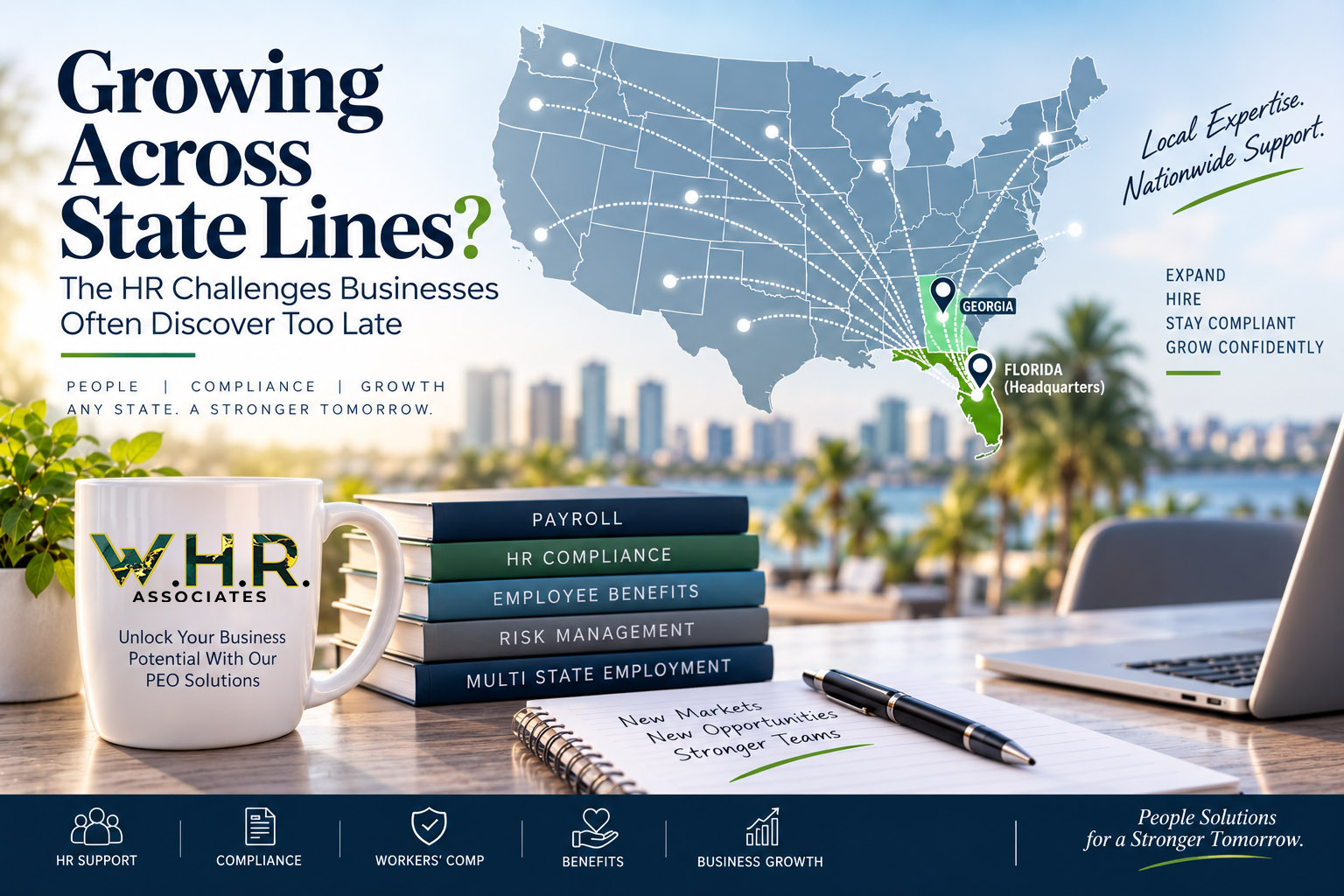
6. Flexibility to Adapt to Growth Once you partner with a PEO, you’re better positioned to adapt as growth accelerates. Whether it’s hiring employees in a different state or expanding internationally, PEOs provide the infrastructure and guidance necessary to handle such transitions seamlessly. This flexibility allows startups to scale without needing to constantly invest in additional HR or compliance resources.
How to Choose the Right PEO for Your Startup
Finding the right PEO for your business requires careful consideration. Here are a few tips to guide your search:
Understand Your Needs:Assess your current HR challenges and goals. Are you mostly seeking compliance support or looking for someone to fully manage employee benefits?
Verify Accreditation:Ensure the PEO is certified by Employer Services Assurance Corporation (ESAC) or accredited by the IRS.
Request References:Ask for case studies or references from companies similar to your size and industry.
Evaluate Their Technology:Look for user-friendly HR platforms that streamline administrative processes on your end.
Compare Pricing:Understand their fees, contracts, and services to evaluate whether they align with your budget and needs.
Scaling Your Startup Team with Confidence
Scaling your startup team is an exciting milestone, but it doesn’t have to be a source of stress. By partnering with a PEO, you gain the infrastructure, expertise, and compliance resources to not only simplify HR operations but also empower your business to focus on growth.
Think of a PEO as your growth partner, helping you avoid common pitfalls while leveling the playing field against larger competitors. If you’re ready to scale confidently and efficiently, it’s time to explore partnering with a Professional Employer Organization
In today’s fast-paced and high-stress world, mental health is no longer a luxury—it’s a necessity. For employers, this means committing to giving workers the mental health resources they need to thrive. This commitment spans from providing access to affordable care to fostering understanding and empathy from management. This blog post aims to shed light on why employers must prioritize mental health, offering comprehensive strategies and actionable tips to make your workplace a haven for mental well-being.
What is a PEO, and Why Do You Need One?
A Professional Employer Organization (PEO) acts as your HR partner, handling essential tasks like payroll, employee benefits, workers’ compensation, and regulatory compliance. For small and medium-sized businesses (SMBs) in Florida, partnering with a PEO like W.H.R. Associates means:
Reduced Administrative Work
Access to Better Benefits
Simplified Compliance Management
Lower Workers’ Comp Costs
In short, a PEO allows you to focus on growing your business while they handle the HR details.
Why Florida Businesses Benefit from a PEO
1. Navigating Complex Employment Laws
Florida has unique employment regulations, and keeping up with them can be daunting. W.H.R. Associates ensures your business stays compliant with:
State labor laws
Workers’ compensation requirements
Employee classification rules
By partnering with W.H.R. Associates, you avoid costly fines and compliance issues.
2. Competitive Edge in Hiring and Retention
Attracting top talent is tough, especially for smaller businesses. With a PEO, you gain access to Fortune 500-level benefits, such as:W.H.R. Associates ensures your business stays compliant with:
Health insurance
Retirement plans
Employee wellness programs
These benefits help you attract and retain quality employees, giving your business a competitive advantage.
3. Cost Savings on Workers’ Compensation
Managing workers’ compensation in Florida can be expensive. W.H.R. Associates helps reduce costs by:
Securing competitive rates
Managing claims efficiently
Implementing workplace safety programsThis not only lowers your premiums but also keeps your employees safe and productive.
This not only lowers your premiums but also keeps your employees safe and productive.
4. Simplified Payroll and Tax Management
Running payroll and managing taxes takes time and expertise. W.H.R. Associates ensures:
Accurate, on-time payroll
Tax filings and compliance
Direct deposits and reports
No more payroll headaches — just peace of mind knowing it’s all taken care of.
5. Focus on Growth, Not Paperwork
With a PEO managing your HR and compliance, you can spend more time on what you do best: growing your business. Whether you’re expanding services, opening new locations, or innovating in your industry, W.H.R. Associates has your back.
Why Choose W.H.R. Associates?
W.H.R. Associates offers personalized service, deep expertise, and a commitment to your success. As a Florida-based PEO, we understand the unique challenges and opportunities of doing business in the Sunshine State. Our clients trust us because we provide:
Responsive, friendly support
Attention to detail
Customized HR solutions
Why Choose W.H.R. Associates?
Don’t let HR challenges hold you back. Partner with W.H.R. Associates and experience the freedom to grow, knowing your HR, payroll, and compliance needs are in expert hands
Contact us today to learn how a PEO can make a difference for your Florida business!
In the complex world of business management, payroll is often seen as a puzzle with too many missing pieces. Balancing accuracy, compliance, and efficiency can overwhelm many small and medium-sized business (SMB) owners, HR professionals, and business managers. This blog post aims to unravel the tangled threads of payroll management by exploring the common challenges businesses face and how a Professional Employer Organization (PEO) can offer much-needed assistance. From navigating tax regulations to ensuring timely payments, we will cover essential insights and practical tips to streamline your payroll process. Whether you’re an SMB owner trying to optimize your operations, an HR professional seeking compliance solutions, or a business manager looking to manage costs, this guide is for you.
Understanding Payroll Complexities Payroll is more than just processing employee salaries. It involves managing deductions, tax withholdings, and benefits while ensuring compliance with federal and state laws. Given its multifaceted nature, it’s no wonder payroll management is a daunting task for business owners. The intricacies of payroll go beyond numbers; they include understanding labor laws, staying updated with regulation changes, and managing employee expectations. A minor error can lead to significant repercussions, including financial penalties and employee dissatisfaction. Understanding these complexities is the first step towards mastering payroll management.
The stakes are high, as payroll errors can affect a company’s reputation and employee trust. Ensuring accuracy in every transaction is crucial, which means having a detailed system to manage all aspects. Additionally, the burden of constant updates to tax laws requires businesses to stay vigilant. It’s not just about paying employees on time; it’s about creating a robust system that can adapt to changes seamlessly.
Many businesses underestimate the resources needed to handle payroll efficiently. From dedicated software to specialized staff, the investments required are substantial. However, with the right approach and tools, payroll management can become a smoother process, allowing businesses to focus on growth and employee satisfaction.
The Taxation Tangle Taxation is a critical component of payroll management, but it can be a labyrinthine challenge for many businesses. With numerous federal, state, and local tax regulations to follow, staying compliant is no small feat. Business owners must understand withholding taxes, file accurate quarterly reports, and ensure timely tax payments. Non-compliance can result in hefty fines, audits, and even legal action, making tax management a top priority.
Beyond compliance, there is the challenge of optimizing tax liabilities. Businesses need to strategically plan tax obligations to minimize liabilities while adhering to legal requirements. This involves understanding deductions, credits, and deferrals available to the business. It’s a complex balancing act that requires in-depth knowledge and expertise.
For SMBs without dedicated tax professionals, keeping up with changes in tax regulations can be particularly challenging. The introduction of new tax laws or modification of existing ones can quickly disrupt established processes, making it essential for business owners to stay informed and proactive in their tax strategies.
Employee Classification Challenges Classifying employees correctly is another hurdle in the payroll process. Misclassification, whether intentional or accidental, can lead to significant legal and financial consequences. Distinguishing between full-time employees, part-time workers, contractors, and freelancers is crucial as each category has different tax implications and benefits entitlements.
It’s not uncommon for businesses to misclassify employees, leading to issues with tax filings and compliance. Misclassification can also affect employee benefits, overtime eligibility, and labor law adherence. Ensuring correct classification requires a thorough understanding of labor laws and meticulous record-keeping.
The rise of the gig economy has further complicated employee classification. With more businesses relying on freelancers and contractors, there is a pressing need to clearly define employment relationships. Proper documentation and transparent policies can prevent misclassification and protect the company from potential disputes.
Navigating Compliance and Regulations Compliance with labor laws and regulations is a fundamental aspect of payroll management. From wage and hour laws to fair labor standards, the regulatory landscape is vast and continually evolving. Non-compliance can result in penalties, legal complications, and damage to a company’s reputation.
Understanding and adhering to these regulations requires ongoing education and vigilance. Companies must not only comply with existing laws but also anticipate changes and adapt their processes accordingly. This involves regular audits, updates to payroll systems, and training for HR personnel.
The complexity of compliance is compounded for businesses operating in multiple states or countries, where regulations can vary significantly. Ensuring consistency and accuracy across all jurisdictions demands a robust compliance strategy and a well-coordinated approach to payroll management.
The Cost of Payroll Inefficiencies Inefficient payroll processes can have a ripple effect on a company’s bottom line. Errors and delays can lead to employee dissatisfaction, increased administrative costs, and potential penalties. The cost of resolving payroll errors can be substantial, consuming valuable resources that could be better spent elsewhere.
Streamlining payroll processes involves automating manual tasks, reducing redundancies, and implementing efficient payroll software. Investing in technology can significantly reduce errors and improve accuracy, ultimately leading to cost savings. Additionally, a well-organized payroll system can enhance employee satisfaction by ensuring timely and accurate payments.
The opportunity cost of inefficient payroll systems should not be underestimated. By freeing up resources and time, businesses can focus on strategic initiatives and growth opportunities, leveraging their human resources more effectively.
Enhancing Employee Satisfaction Payroll accuracy and timeliness are critical factors in employee satisfaction. Errors in paychecks or delayed payments can erode trust and morale, leading to disengagement and higher turnover rates. Consistent and accurate payroll practices contribute to a positive workplace culture and improve employee retention.
Beyond accuracy, offering flexible payment options and transparent communication about payroll policies can enhance the employee experience. Employees appreciate clarity and predictability in their compensation, which reinforces their trust in the organization.
Recognizing the impact of payroll on employee satisfaction underscores the importance of investing in efficient payroll systems and processes. By prioritizing payroll accuracy, businesses can foster a motivated and loyal workforce, driving long-term success.
The Role of Technology in Payroll Management Technology plays a pivotal role in modernizing payroll management. From automated calculations to cloud-based payroll systems, technological advancements have revolutionized how businesses handle payroll. Automation reduces manual errors, streamlines processes, and provides real-time data for informed decision-making.
Adopting advanced payroll software allows businesses to integrate payroll with other HR functions, such as time tracking and benefits administration. This integration enhances efficiency and provides a holistic view of employee management. Leveraging analytics can also offer insights into workforce trends and help identify areas for improvement.
Investing in technology is not just about reducing errors; it’s about transforming payroll into a strategic function that supports the organization’s goals. By staying ahead of technological trends, businesses can optimize payroll processes and gain a competitive advantage.
Introducing PEOs as a Solution Professional Employer Organizations (PEOs) offer a comprehensive solution for businesses seeking to overcome payroll challenges. PEOs provide outsourced HR services, including payroll management, benefits administration, and compliance support. By partnering with a PEO, businesses can access expertise and resources that may be beyond their immediate reach.
PEOs streamline payroll processes by handling complex tasks such as tax filings, employee classification, and compliance monitoring. This allows business owners and HR professionals to focus on core operations without being bogged down by administrative burdens.
In addition to payroll management, PEOs offer value-added services such as employee benefits programs and HR support. This holistic approach enhances the overall employee experience and contributes to a more efficient and productive workplace.
How PEOs Simplify Payroll PEOs bring efficiency and expertise to payroll management by leveraging their specialized knowledge and technology. They handle the intricacies of payroll processing, tax compliance, and regulatory adherence, reducing the risk of errors and penalties. With a PEO, businesses can enjoy accurate and timely payroll processing without the administrative hassle.
PEOs also provide access to advanced payroll software and tools, enabling seamless integration with existing HR systems. This enhances data accuracy and reporting capabilities, allowing businesses to make informed decisions based on real-time insights.
By partnering with a PEO, businesses can achieve cost savings, improve compliance, and enhance employee satisfaction. The streamlined processes and support provided by PEOs free up resources and time, allowing businesses to focus on growth and strategic initiatives.
Selecting the Right PEO for Your Business Choosing the right PEO is a critical decision that can significantly impact your business. It’s essential to evaluate potential PEO partners based on their expertise, services offered, and track record. Consider factors such as industry experience, client testimonials, and the range of services provided.
Transparency and communication are key when selecting a PEO. Ensure that the PEO clearly outlines their processes, fees, and service level agreements. A good PEO partner will work collaboratively with your team, providing regular updates and support to address any concerns.
Conducting a thorough assessment of your business needs and goals will help you identify the PEO that aligns best with your objectives. By choosing the right partner, you can maximize the benefits of outsourcing payroll and HR functions, driving long-term success.
Conclusion Navigating the complexities of payroll management can be a formidable challenge for business owners, HR professionals, and managers. The intricate web of tax regulations, employee classification, compliance, and cost management requires expertise and precision. However, by leveraging the expertise of a Professional Employer Organization (PEO), businesses can streamline payroll processes, enhance accuracy, and achieve cost savings.
W.H.R. Associates PEO offers a comprehensive solution that not only simplifies payroll management but also improves compliance and employee satisfaction. By partnering with W.H.R. Associates PEO, businesses can focus on their core operations, confident in the knowledge that their payroll is in capable hands.
To explore how W.H.R. Associates PEO can transform your payroll management, consider reaching out to our industry experts and discussing your specific needs. By taking proactive steps to address payroll challenges, you can position your business for growth and success in an increasingly competitive landscape.
In today’s fast-paced and high-stress world, mental health is no longer a luxury—it’s a necessity. For employers, this means committing to giving workers the mental health resources they need to thrive. This commitment spans from providing access to affordable care to fostering understanding and empathy from management. This blog post aims to shed light on why employers must prioritize mental health, offering comprehensive strategies and actionable tips to make your workplace a haven for mental well-being.
Understanding Mental Health in the Workplace
Mental health affects every aspect of an individual’s professional and personal life. When employees suffer from poor mental health, it impacts their productivity, creativity, and overall job satisfaction. According to the World Health Organization (WHO), depression and anxiety cost the global economy an estimated $1 trillion per year in lost productivity. Therefore, prioritizing mental health isn’t just the right thing to do—it’s also a smart business move.
The Cost of Ignoring Mental Health
Ignoring mental health issues can lead to burnout, high turnover rates, and even legal repercussions. Burnout, characterized by emotional exhaustion and reduced performance, is becoming increasingly common. A Gallup study found that two-thirds of full-time workers experience burnout on the job. High turnover rates not only disrupt workflow but also cost companies significantly in terms of recruitment and training. Legal repercussions could arise if employees feel neglected or discriminated against due to their mental health conditions.
Benefits of a Mentally Healthy Workplace
A workplace that prioritizes mental health reaps numerous benefits. Employees are more engaged, productive, and loyal. They are also less likely to take sick days, reducing absenteeism. A mentally healthy workplace fosters a positive culture, which can improve team dynamics and overall employee morale. According to a Deloitte study, for every $1 invested in mental health initiatives, employers see a return of $4 in improved health and productivity.
Access to Affordable Mental Health Care
One of the most significant barriers to mental health is the cost of care. Employers can make a difference by providing access to affordable mental health care. This could involve offering comprehensive health insurance plans that cover mental health services, partnering with mental health professionals to provide on-site care, or offering telehealth services to employees. Ensuring that mental health care is accessible and affordable is a crucial step in fostering a supportive work environment.
Training Management to Foster Empathy
Management plays a pivotal role in shaping the workplace culture. Training managers to recognize the signs of mental health issues and approach them with empathy is essential. This training should include active listening skills, how to have difficult conversations, and ways to support employees without overstepping boundaries. Empathetic managers can create a more inclusive and supportive work environment, encouraging employees to seek help when needed.
Creating a Culture of Open Communication
A culture of open communication is vital for addressing mental health issues effectively. Encourage employees to speak openly about their mental health without fear of judgment or retaliation. Regular check-ins, anonymous surveys, and mental health awareness campaigns can help normalize conversations around mental health. When employees feel heard and understood, they are more likely to seek help and support.
Offering Flexible Work Arrangements
Work-life balance is a significant factor in mental health. Offering flexible work arrangements, such as remote work options, flexible hours, or compressed workweeks, can help employees manage their stress levels better. Flexibility allows employees to balance their personal and professional lives more effectively, reducing the risk of burnout and improving overall well-being.
Providing Mental Health Resources and Training
Equip employees with the resources and training they need to manage their mental health. This could include workshops on stress management, mindfulness sessions, and resilience training. Providing access to self-help resources, such as books, apps, and online courses, can also empower employees to take control of their mental health.
Implementing Employee Assistance Programs (EAPs)
Employee Assistance Programs (EAPs) are services that offer confidential support for personal and work-related issues. EAPs can provide
counseling, legal advice, and financial guidance, helping employees address various challenges that may affect their mental health. Promoting the availability of EAPs and encouraging employees to use them can significantly improve their well-being.
Promoting Physical Health
Physical health is closely linked to mental health. Encouraging regular physical activity, healthy eating, and sufficient sleep can have a positive impact on mental well-being. Employers can promote physical health by offering gym memberships, organizing wellness challenges, and providing healthy snacks in the workplace. A holistic approach to health can lead to better mental and physical outcomes for employees.
Celebrating Achievements and Milestones
Recognizing and celebrating employees’ achievements and milestones can boost morale and mental well-being. Whether it’s a work anniversary, a project completion, or a personal achievement, acknowledging these moments shows employees that their efforts are valued. Celebrations can be in the form of awards, shout-outs in meetings, or small tokens of appreciation.
Building a Supportive Community
Creating a sense of community within the workplace can provide employees with a support system. Encourage team-building activities, social events, and peer support groups. A strong community can help employees feel connected, reducing feelings of isolation and loneliness. When employees know they have a network of support, they are more likely to thrive.
The Role of Technology in Mental Health
Technology can play a significant role in supporting mental health initiatives. Mental health apps, virtual therapy sessions, and online support groups can provide employees with convenient and accessible resources. Employers can leverage technology to offer digital tools that promote mental well-being, making it easier for employees to access help and support.
Evaluating and Improving Mental Health Initiatives
Regularly evaluating the effectiveness of mental health initiatives is crucial for continuous improvement. Collect feedback from employees, analyze usage data, and assess the impact on productivity and well-being. Use this information to refine and enhance your mental health programs, ensuring they meet the needs of your workforce.
In conclusion, prioritizing mental health in the workplace is not just a trend—it’s a necessity. By providing access to affordable care, training management to foster empathy, and creating a culture of open communication, employers can make a significant impact on their employees’ well-being. The benefits of a mentally healthy workplace are clear, from increased productivity to improved employee satisfaction. It’s time for employers to take action and commit to giving workers the mental health resources they need to thrive.
Investing in mental health is an investment in your organization’s future. If you’re ready to take the next step, consider partnering with mental health professionals, offering comprehensive benefits, and creating a supportive work environment. Your employees—and your bottom line—will thank you.
In the dynamic and ever-evolving business landscape, companies face numerous challenges in managing their workforce efficiently and effectively. From handling complex HR tasks to ensuring compliance with ever-changing regulations, businesses often find themselves overwhelmed. This is where a Professional Employer Organization (PEO) like W.H.R. Associates steps in, providing a comprehensive solution to streamline your operations and unlock the full potential of your business.
What is a PEO?
A PEO is a firm that partners with businesses to provide integrated services in human resources, employee benefits, payroll administration, and regulatory compliance. By entering into a co-employment arrangement, the PEO takes on the administrative responsibilities of employment, allowing business owners to focus on their core operations.
Why Choose W.H.R. Associates?
1. Expertise and Experience: With years of experience in the industry, W.H.R. Associates brings a wealth of knowledge and expertise to the table. Our team of HR professionals is well-versed in handling various aspects of human resource management, ensuring that your business remains compliant and efficient.
2. Cost Savings: Partnering with a PEO can lead to significant cost savings. By leveraging the collective bargaining power of a larger employee pool, W.H.R. Associates can offer better rates on benefits and insurance plans, reducing overall expenses for your business.
3. Compliance and Risk Management: Navigating the complex web of federal, state, and local regulations can be daunting. W.H.R. Associates ensures that your business remains compliant with all relevant laws, reducing the risk of costly penalties and legal issues.
4. Focus on Core Business: By outsourcing HR functions to W.H.R. Associates, you can free up valuable time and resources to focus on what matters most—growing your business. Our services allow you to concentrate on strategic initiatives and revenue-generating activities.
5. Employee Satisfaction: Happy and engaged employees are the backbone of any successful business. W.H.R. Associates offers a range of benefits and services designed to improve employee satisfaction and retention, including competitive benefits packages, wellness programs, and professional development opportunities.
Services Offered by W.H.R. Associates
Human Resources Management: From recruitment and onboarding to performance management and employee relations, we handle all aspects of HR, ensuring a seamless experience for your team.
Payroll Administration: Our efficient payroll solutions ensure accurate and timely compensation for your employees, along with tax filing and reporting services.
Employee Benefits: We offer a comprehensive range of benefits, including health insurance, retirement plans, and more, tailored to meet the needs of your workforce.
Compliance and Risk Management: Stay ahead of regulatory changes with our proactive compliance services, minimizing risk and protecting your business.
Training and Development: Invest in your employees’ growth with our training and development programs, designed to enhance skills and boost productivity.
Take the Next Step
If you’re ready to take your business to the next level, it’s time to consider partnering with a PEO. W.H.R. Associates is here to support you every step of the way, providing the expertise and resources you need to succeed.
Contact us today to learn more about how we can help you unlock the potential of your business.
It’s important to remember that compliance with workplace regulations, laws and standards is crucial for the success and longevity of your company.
As a business owner, it’s natural to want to focus on growing your business and maximizing profits. However, it’s important to remember that compliance with workplace regulations, laws and standards is crucial for the success and longevity of your company. From regulations related to employment law to health and safety standards, there are a lot of rules that employers must follow. And violating them can result in costly penalties and legal trouble. That’s where a Professional Employer Organization (PEO) can come in handy. In this blog, we’ll discuss five ways a PEO can help your business stay compliant with federal, state and local workplace requirements and how that will benefit your business.
1. Employment Law Compliance
Employment law is a complex area, with regulations constantly changing at the federal, state, and local levels. A PEO can help keep your business up to date with these changes by providing expert guidance and resources. They can assist with labor law posters, employee handbook creation, wage and hour compliance, and more. They can also provide support when it comes to hiring and firing, helping to ensure that you follow legal procedures and avoid discrimination claims.
2. Health and Safety Compliance
Ensuring a safe and healthy workplace is not only important for your employees’ wellbeing, but it’s also required by law. A PEO can help you create and implement safety programs, conduct regular workplace inspections, and provide training on topics such as proper use of equipment, emergency preparedness, and hazardous substance handling. They can also assist with tracking and reporting workplace injuries and illnesses, as required by OSHA.
3. Benefits Compliance
Providing employee benefits can be a great way to attract and retain top talent. But when it comes to offering benefits, compliance is crucial. A PEO can help you navigate complex laws and regulations related to health insurance, retirement plans, and other benefits. They can also handle the administrative tasks associated with benefits, such as enrollment, claims processing, and COBRA compliance.
4. Tax Compliance
Keeping up with tax regulations is no easy feat, especially for small businesses. A PEO can help ensure that your business is staying compliant when it comes to payroll taxes, workers’ compensation, unemployment insurance, and other tax-related matters. They can also provide guidance on tax credits and deductions that you may be eligible for, helping you save money in the long run.
5. Compliance Support for Remote Workers
As more and more businesses are shifting to remote work setups, compliance can become even more complicated. A PEO can help you navigate the specific requirements for remote workers, such as tax withholding and workers’ compensation coverage. They can also provide tools and resources to help you stay compliant with data privacy regulations and cybersecurity concerns.
In conclusion, compliance with workplace requirements is critical for the success of your business. Partnering with a professional employer organization can provide you with the expertise, support, and resources you need to stay on top of complex regulations and avoid costly penalties. By relying on a PEO, you can focus on growing your business while leaving the compliance work to the experts.
Happy New Year from all of us at W.H.R. Associates!
As we bid farewell to the year gone by, we at W.H.R. Associates are thrilled to embark on a new chapter filled with opportunities and exciting ventures. As a valued part of our community, we wanted to share some highlights and upcoming events to look forward to in the coming year.
1 – Elevate your Business with W.H.R. Services
We are committed to making your business journey smoother and more prosperous. Our comprehensive services are designed to empower your success. Whether you’re a small startup or a thriving enterprise, we have tailored solutions to meet your needs.
Our Services Include
– HR Management
– Workers’ Compensation
– Payroll Administration
– Employee Benefits
– Staffing Division
2 – Introducing W.H.R. Podcast
Get ready to dive into the world of business, professional employer organization, HR and success strategies with our upcoming podcast. Join us as we bring industry experts, thought leaders and successful entrepreneurs to share insights and stories. Stay tuned for valuable tips, trends, and inspiration to fuel your business growth. Streaming by the end of January on Spotify, Apple Music and many more podcast channels.
3 – RV Staffing Events on the Horizon
W.H.R. Associates is hitting the road with RV staffing events. Connect with our team in person, explore our services, and let’s discuss how we can support your business goals. Keep an eye out for our RV in your area- it’s not just an event; it’s a partnership on wheels. Stay updated on events by following our social media channels @whrassociates or check out our website
4 – Your Success, Our Celebration
As we step into the new year, we want to express our gratitude for your continued trust in W.H.R. Associates. Wishing you a New Year filled with prosperity, joy, and achievements. Here’s to making 2024 your best year yet!