The Rise of AI in Hiring: What Florida Employers Need to Watch in 2026

Hiring has changed dramatically over the last few years. In 2026, one of the biggest shifts isn’t where employers are finding talent, it’s how candidates are applying. Artificial intelligence has transformed the hiring process on both sides of the table. Businesses are using AI to screen resumes, automate scheduling, and improve onboarding. But job seekers are also using AI to write resumes, generate cover letters, answer screening questions, and even prepare for interviews. The result? Hiring may be faster, but it’s also becoming harder to know who you’re really hiring. For Florida employers, this creates a new challenge that many businesses are only beginning to understand.

The New Resume Problem

Not long ago, a resume reflected a candidate’s writing ability, experience, and effort. Today, AI can generate polished resumes in minutes. That sounds helpful until employers start seeing dozens of nearly identical applications, filled with the right keywords but lacking real substance.

According to recent workforce trend reports, small businesses are increasingly finding it difficult to identify qualified candidates because AI-assisted resumes often make candidates appear more experienced or technically skilled than they really are.

This doesn’t mean AI is bad. It means employers need better hiring systems.

The New Resume Problem

Candidates now use AI to prepare for interviews, predict questions, and build ideal answers. Some even use real-time assistance during virtual interviews.

That means employers must get better at identifying:

  • Authentic communication
  • Real-world experience
  • Problem-solving ability
  • Emotional intelligence
  • Adaptability under pressure

A polished answer doesn’t always equal real capability.

Florida’s Competitive Hiring Market Adds Pressure

Florida remains one of the fastest-growing business states in the country, particularly in healthcare, hospitality, logistics, construction, and skilled trades. The challenge? Good candidates move fast.

Business owners often feel pressure to hire quickly, especially when operations are short-staffed. But rushed hiring decisions can lead to:

  • Increased turnover
  • Training costs
  • Payroll waste
  • Team disruption
  • Compliance issues

A bad hire is expensive and often avoidable.

Hiring Smarter in the AI Era

The answer isn’t rejecting technology. It’s using it strategically.

Smart employers are adjusting by:

Improving interview structure

Asking behavioral questions and scenario-based questions reveals how someone actually thinks.

Verifying practical skills

Simple job simulations or real-world examples help expose actual experience.

Checking references thoroughly

Reference checks matter more than ever.

Strengthening onboarding

Early onboarding often reveals whether a candidate is truly the right fit.

The Human Side Still Wins

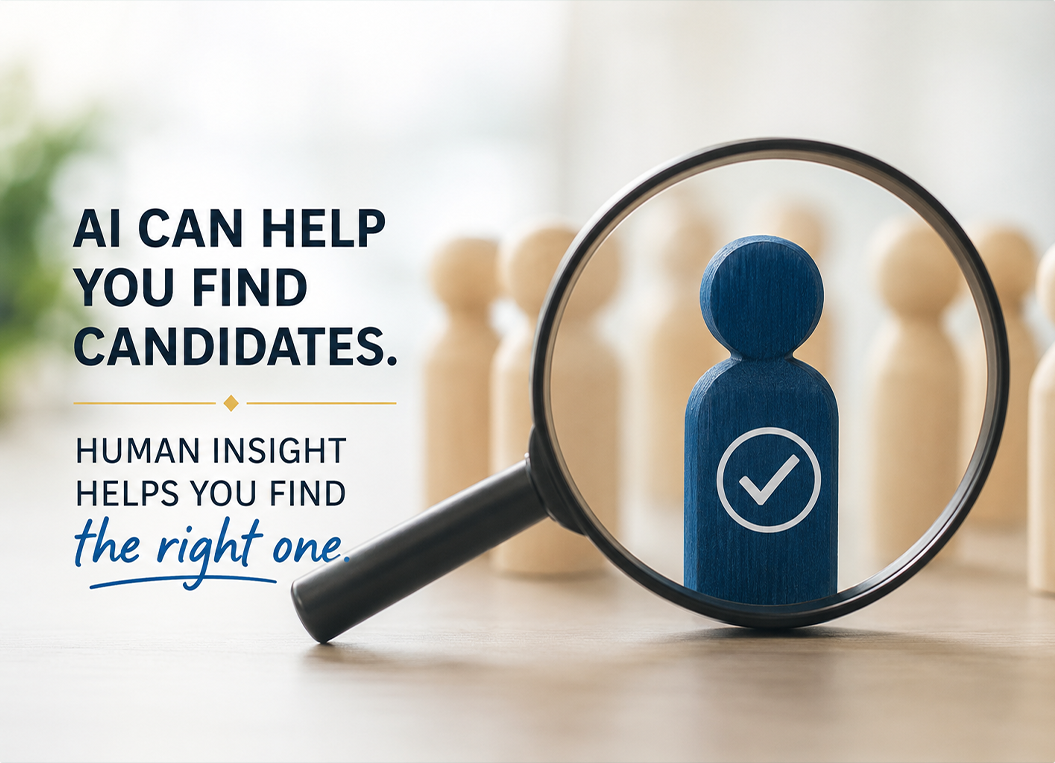
AI can organize information. It can save time. It can improve efficiency.

But it cannot replace human judgment.

Hiring is still about people their attitude, reliability, work ethic, and ability to work within a team. These qualities cannot be fully measured by software.

For employers, especially small and mid-sized businesses, balancing technology with human insight is becoming one of the most important workforce strategies of 2026.

Why HR Support Matters More Than Ever

As hiring becomes more complex, many employers are re-evaluating how they handle recruiting, onboarding, employee documentation, and compliance.

Hiring the right employee is no longer just about filling a role; it’s about protecting your business, strengthening your team, and building long-term stability.

In today’s market, having strong HR systems in place can make all the difference.

The Future of Hiring Is Here

AI isn’t going away. It will continue to shape how businesses recruit and how candidates present themselves

The question for employers isn’t whether to adapt.

It’s how to adapt wisely.

Florida businesses that combine technology with smart hiring practices, strong HR systems, and thoughtful workforce planning will be better positioned to grow with the right people in the right roles.

At W.H.R. Associates, supporting your business goes beyond payroll and HR; it’s about helping you build a stronger, smarter future.

Florida Employment Laws in 2026: What Business Owners Need to Know to Stay Compliant

Running a business in Florida has many advantages a growing population, a strong economy, and a business-friendly environment. However, many business owners are surprised to learn that employment compliance, payroll regulations, and HR requirements are becoming more complex every year. In 2026, staying compliant is not just about paying employees on time. There are new expectations, new risks, and more documentation requirements than ever before.

For small and mid-sized businesses, understanding these changes is critical.

Employee vs. Independent Contractor Is Still a Major Issue

One of the biggest compliance issues in Florida remains worker classification. Many businesses use independent contractors, but the rules about who qualifies as a contractor versus an employee are strict. Misclassifying a worker can lead to penalties, back taxes, and liability for unpaid benefits and overtime.

Business owners should regularly review:

  • Who is being paid as a 1099 contractor
  • Who is working set hours or under company direction
  • Who is using the company equipment
  • Who should legally be classified as a W-2 employee

This is one of the most common areas where businesses run into trouble during audits.

Payroll Compliance Is More Than Just Writing Checks

Payroll today includes much more than calculating hours and issuing paychecks. Employers must properly manage:

  • Payroll taxes
  • Overtime calculations
  • Employee classifications
  • New hire reporting
  • Year-end tax forms
  • Direct deposit documentation
  • Paid leave policies and tracking

Mistakes in payroll reporting can result in IRS penalties and state fines. Many business owners do not realize that payroll errors are one of the most common reasons businesses receive government notices

Workers’ Compensation Requirements in Florida

Florida has specific workers’ compensation requirements depending on the industry and the number of employees. For example:

  • Construction companies must carry workers’ comp if they have 1 or more employees
  • Non-construction businesses must carry workers’ comp if they have 4 or more employees

Not having proper coverage can result in large fines and stop-work orders, which can shut a business down until coverage is in place.

Employee Handbooks and Documentation Matter More Than Ever

Many small businesses still operate without a formal employee handbook. In today’s environment, this can be a mistake. Written policies help protect businesses and set clear expectations for employees.

Important policies include:

  • Attendance and time off
  • Workplace conduct
  • Harassment and discrimination policies
  • Safety procedures
  • Social media policies
  • Remote work policies
  • Disciplinary procedures

Having proper documentation in place can prevent major issues later.

The Real Cost of HR Mistakes

Most business owners are not trying to do anything wrong. The problem is that laws change, paperwork requirements increase, and compliance becomes more time-consuming. Unfortunately, mistakes can be expensive.

Common costly issues include:

  • Misclassified employees
  • Payroll tax errors
  • Incorrect overtime calculations
  • Missing employee documentation
  • Workers’ compensation mistakes
  • Improper terminations

These are the types of issues that can lead to audits, fines, or lawsuits.

Final Thoughts for Florida Business Owners

Florida is a great state to run a business, but employment regulations, payroll compliance, and HR responsibilities are becoming more complex each year. Many business owners reach a point where handling HR, payroll, benefits, and compliance internally becomes too time-consuming and risky.

That is why many Florida companies are turning to HR partners and PEOs to help manage these responsibilities, reduce risk, and focus on running and growing their businesses.

The key is making sure your business is set up correctly, compliant, and protected so you can focus on what you do best.

At W.H.R. Associates, we help Florida businesses navigate HR, payroll, and compliance challenges every day, providing the support and guidance business owners need in today’s complex employment environment.

Why Florida Businesses Are Thriving with PEOs Like W.H.R. Associates

In today’s fast-paced and high-stress world, mental health is no longer a luxury—it’s a necessity. For employers, this means committing to giving workers the mental health resources they need to thrive. This commitment spans from providing access to affordable care to fostering understanding and empathy from management. This blog post aims to shed light on why employers must prioritize mental health, offering comprehensive strategies and actionable tips to make your workplace a haven for mental well-being.

What is a PEO, and Why Do You Need One?

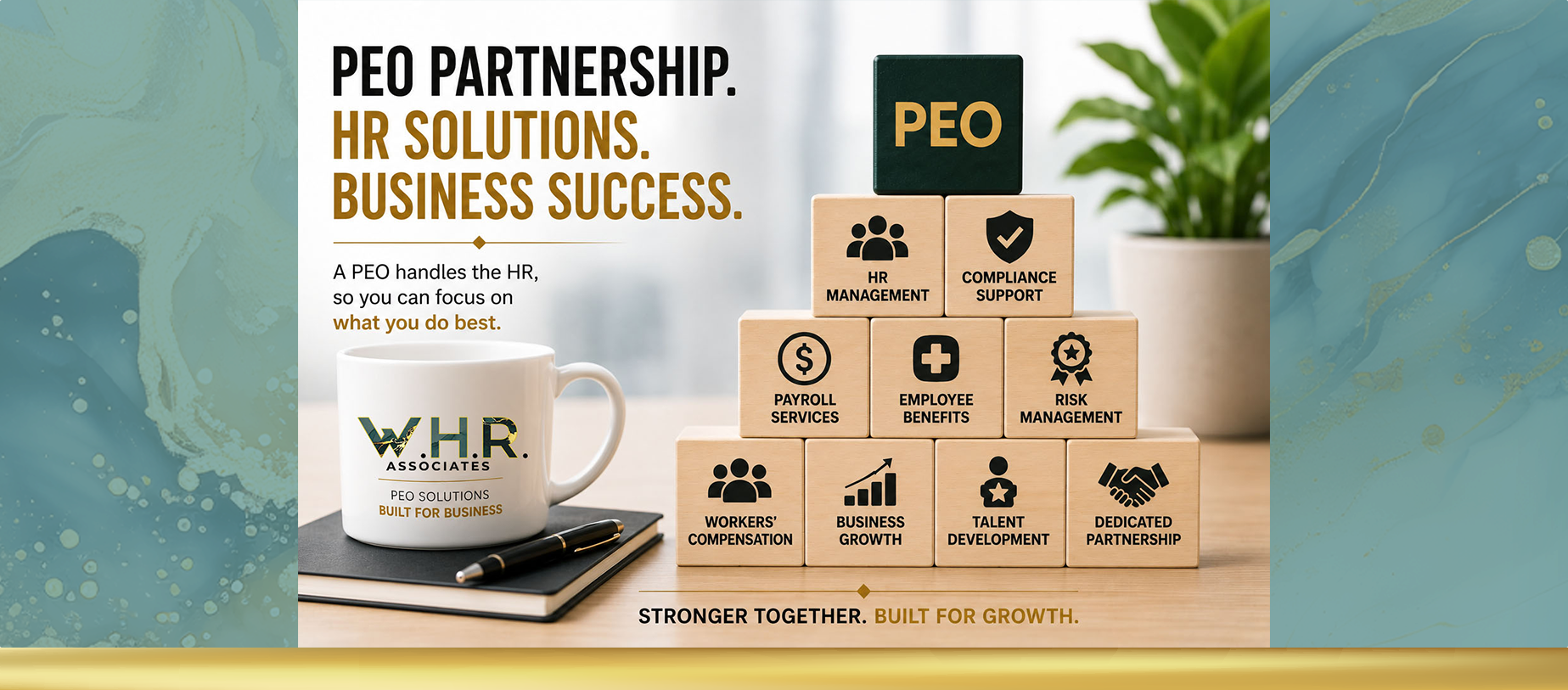
A Professional Employer Organization (PEO) acts as your HR partner, handling essential tasks like payroll, employee benefits, workers’ compensation, and regulatory compliance. For small and medium-sized businesses (SMBs) in Florida, partnering with a PEO like W.H.R. Associates means:

  • Reduced Administrative Work
  • Access to Better Benefits
  • Simplified Compliance Management
  • Lower Workers’ Comp Costs

In short, a PEO allows you to focus on growing your business while they handle the HR details.

Why Florida Businesses Benefit from a PEO

1. Navigating Complex Employment Laws

Florida has unique employment regulations, and keeping up with them can be daunting. W.H.R. Associates ensures your business stays compliant with:
  • State labor laws
  • Workers’ compensation requirements
  • Employee classification rules
By partnering with W.H.R. Associates, you avoid costly fines and compliance issues.

2. Competitive Edge in Hiring and Retention

Attracting top talent is tough, especially for smaller businesses. With a PEO, you gain access to Fortune 500-level benefits, such as:W.H.R. Associates ensures your business stays compliant with:
  • Health insurance
  • Retirement plans
  • Employee wellness programs
These benefits help you attract and retain quality employees, giving your business a competitive advantage.

3. Cost Savings on Workers’ Compensation

Managing workers’ compensation in Florida can be expensive. W.H.R. Associates helps reduce costs by:
  • Securing competitive rates
  • Managing claims efficiently
  • Implementing workplace safety programsThis not only lowers your premiums but also keeps your employees safe and productive.
This not only lowers your premiums but also keeps your employees safe and productive.

4. Simplified Payroll and Tax Management

Running payroll and managing taxes takes time and expertise. W.H.R. Associates ensures:
  • Accurate, on-time payroll
  • Tax filings and compliance
  • Direct deposits and reports
No more payroll headaches — just peace of mind knowing it’s all taken care of.

5. Focus on Growth, Not Paperwork

With a PEO managing your HR and compliance, you can spend more time on what you do best: growing your business. Whether you’re expanding services, opening new locations, or innovating in your industry, W.H.R. Associates has your back.

Why Choose W.H.R. Associates?

W.H.R. Associates offers personalized service, deep expertise, and a commitment to your success. As a Florida-based PEO, we understand the unique challenges and opportunities of doing business in the Sunshine State. Our clients trust us because we provide:

  • Responsive, friendly support
  • Attention to detail
  • Customized HR solutions

Why Choose W.H.R. Associates?

Don’t let HR challenges hold you back. Partner with W.H.R. Associates and experience the freedom to grow, knowing your HR, payroll, and compliance needs are in expert hands

Contact us today to learn how a PEO can make a difference for your Florida business!

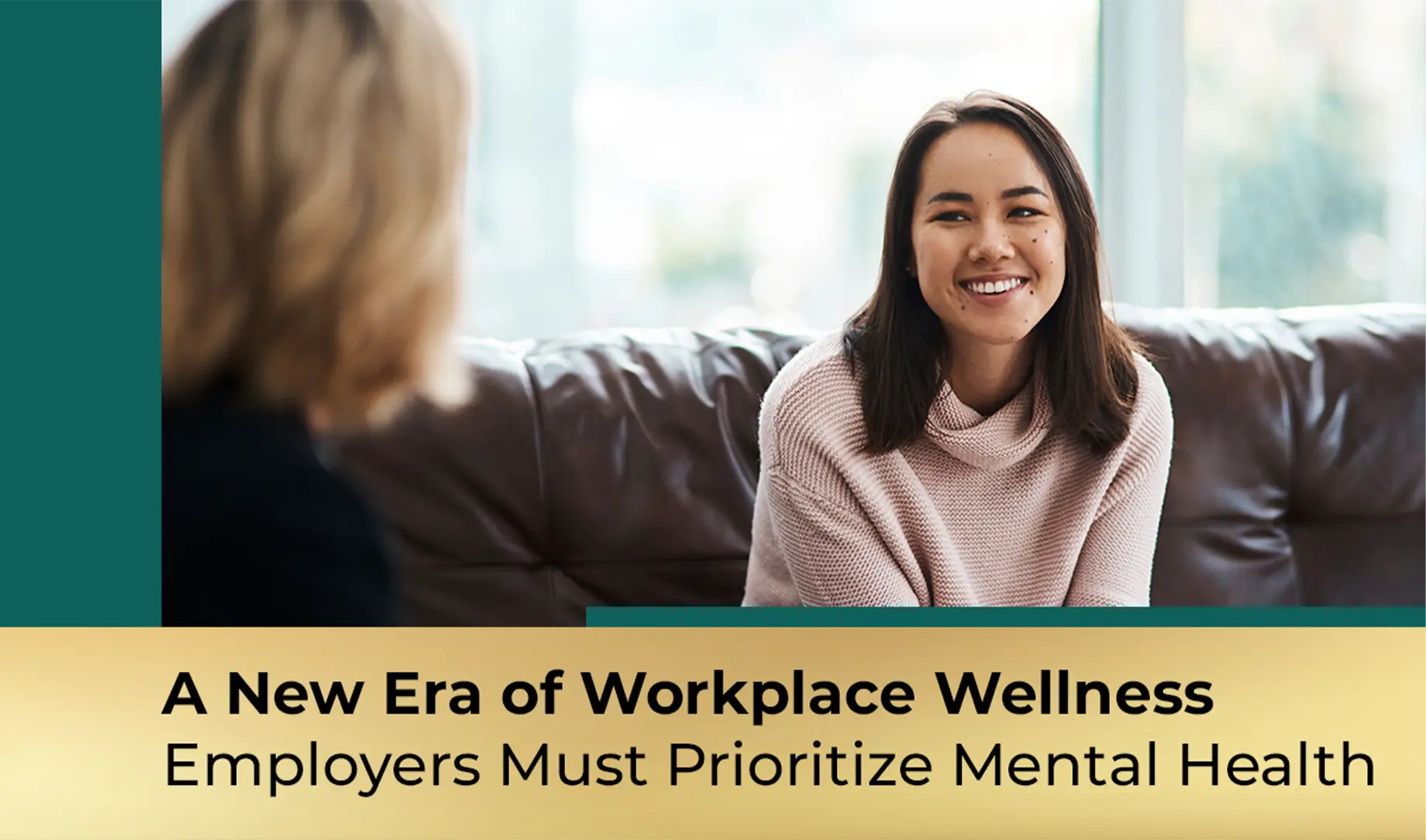
A New Era of Workplace Wellness Employers Must Prioritize Mental Health

In today’s fast-paced and high-stress world, mental health is no longer a luxury—it’s a necessity. For employers, this means committing to giving workers the mental health resources they need to thrive. This commitment spans from providing access to affordable care to fostering understanding and empathy from management. This blog post aims to shed light on why employers must prioritize mental health, offering comprehensive strategies and actionable tips to make your workplace a haven for mental well-being.

Understanding Mental Health in the Workplace

Mental health affects every aspect of an individual’s professional and personal life. When employees suffer from poor mental health, it impacts their productivity, creativity, and overall job satisfaction. According to the World Health Organization (WHO), depression and anxiety cost the global economy an estimated $1 trillion per year in lost productivity. Therefore, prioritizing mental health isn’t just the right thing to do—it’s also a smart business move.

The Cost of Ignoring Mental Health

Ignoring mental health issues can lead to burnout, high turnover rates, and even legal repercussions. Burnout, characterized by emotional exhaustion and reduced performance, is becoming increasingly common. A Gallup study found that two-thirds of full-time workers experience burnout on the job. High turnover rates not only disrupt workflow but also cost companies significantly in terms of recruitment and training. Legal repercussions could arise if employees feel neglected or discriminated against due to their mental health conditions.

Benefits of a Mentally Healthy Workplace

A workplace that prioritizes mental health reaps numerous benefits. Employees are more engaged, productive, and loyal. They are also less likely to take sick days, reducing absenteeism. A mentally healthy workplace fosters a positive culture, which can improve team dynamics and overall employee morale. According to a Deloitte study, for every $1 invested in mental health initiatives, employers see a return of $4 in improved health and productivity.

Access to Affordable Mental Health Care

One of the most significant barriers to mental health is the cost of care. Employers can make a difference by providing access to affordable mental health care. This could involve offering comprehensive health insurance plans that cover mental health services, partnering with mental health professionals to provide on-site care, or offering telehealth services to employees. Ensuring that mental health care is accessible and affordable is a crucial step in fostering a supportive work environment.

Training Management to Foster Empathy

Management plays a pivotal role in shaping the workplace culture. Training managers to recognize the signs of mental health issues and approach them with empathy is essential. This training should include active listening skills, how to have difficult conversations, and ways to support employees without overstepping boundaries. Empathetic managers can create a more inclusive and supportive work environment, encouraging employees to seek help when needed.

Creating a Culture of Open Communication

A culture of open communication is vital for addressing mental health issues effectively. Encourage employees to speak openly about their mental health without fear of judgment or retaliation. Regular check-ins, anonymous surveys, and mental health awareness campaigns can help normalize conversations around mental health. When employees feel heard and understood, they are more likely to seek help and support.

Offering Flexible Work Arrangements

Work-life balance is a significant factor in mental health. Offering flexible work arrangements, such as remote work options, flexible hours, or compressed workweeks, can help employees manage their stress levels better. Flexibility allows employees to balance their personal and professional lives more effectively, reducing the risk of burnout and improving overall well-being.

Providing Mental Health Resources and Training

Equip employees with the resources and training they need to manage their mental health. This could include workshops on stress management, mindfulness sessions, and resilience training. Providing access to self-help resources, such as books, apps, and online courses, can also empower employees to take control of their mental health.

Implementing Employee Assistance Programs (EAPs)

Employee Assistance Programs (EAPs) are services that offer confidential support for personal and work-related issues. EAPs can provide counseling, legal advice, and financial guidance, helping employees address various challenges that may affect their mental health. Promoting the availability of EAPs and encouraging employees to use them can significantly improve their well-being.

Promoting Physical Health

Physical health is closely linked to mental health. Encouraging regular physical activity, healthy eating, and sufficient sleep can have a positive impact on mental well-being. Employers can promote physical health by offering gym memberships, organizing wellness challenges, and providing healthy snacks in the workplace. A holistic approach to health can lead to better mental and physical outcomes for employees.

Celebrating Achievements and Milestones

Recognizing and celebrating employees’ achievements and milestones can boost morale and mental well-being. Whether it’s a work anniversary, a project completion, or a personal achievement, acknowledging these moments shows employees that their efforts are valued. Celebrations can be in the form of awards, shout-outs in meetings, or small tokens of appreciation.

Building a Supportive Community

Creating a sense of community within the workplace can provide employees with a support system. Encourage team-building activities, social events, and peer support groups. A strong community can help employees feel connected, reducing feelings of isolation and loneliness. When employees know they have a network of support, they are more likely to thrive.

The Role of Technology in Mental Health

Technology can play a significant role in supporting mental health initiatives. Mental health apps, virtual therapy sessions, and online support groups can provide employees with convenient and accessible resources. Employers can leverage technology to offer digital tools that promote mental well-being, making it easier for employees to access help and support.

Evaluating and Improving Mental Health Initiatives

Regularly evaluating the effectiveness of mental health initiatives is crucial for continuous improvement. Collect feedback from employees, analyze usage data, and assess the impact on productivity and well-being. Use this information to refine and enhance your mental health programs, ensuring they meet the needs of your workforce.

In conclusion, prioritizing mental health in the workplace is not just a trend—it’s a necessity. By providing access to affordable care, training management to foster empathy, and creating a culture of open communication, employers can make a significant impact on their employees’ well-being. The benefits of a mentally healthy workplace are clear, from increased productivity to improved employee satisfaction. It’s time for employers to take action and commit to giving workers the mental health resources they need to thrive.

Investing in mental health is an investment in your organization’s future. If you’re ready to take the next step, consider partnering with mental health professionals, offering comprehensive benefits, and creating a supportive work environment. Your employees—and your bottom line—will thank you.